
CASCADIA
Rooted in Ancient Forests & Living Waters
Cascadia Bioregion: A vast area in the Pacific Northwest of North America, defined by its natural features like the Columbia and Fraser River watersheds and the Cascade Mountains, rather than political borders. It stretches from Alaska down to Northern California and includes parts of British Columbia, Washington, Oregon, Idaho, and even inland areas of Montana, Wyoming, and Nevada. Inspired by the principles of bioregionalism, the Cascadia movement aims for a decentralized, sustainable society focused on community self-determination, ecological regeneration, and justice for all inhabitants, with the goal of building regional resilience against global crises. The bioregion’s natural features and boundaries include:
Watersheds: The bioregion is primarily defined by its major river systems, including the Columbia, Fraser, and Snake Rivers, and the vast network of waters that flow from the continental divide to the Pacific Ocean.
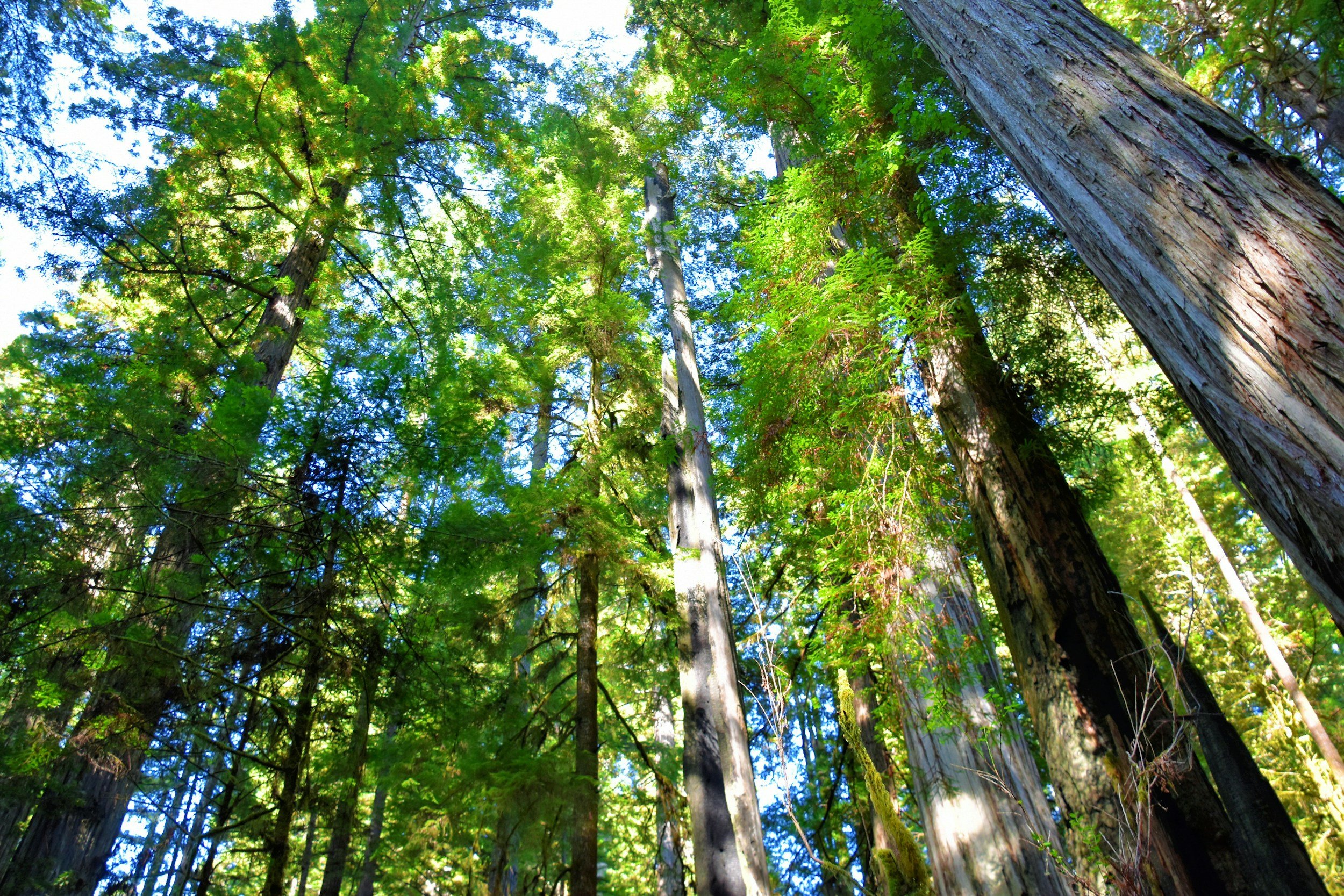
Geography: It includes diverse landscapes such as temperate rainforests, mountains like the Cascade Range, and the Salish Sea (Georgia Basin).
Geographic Scope: Cascadia spans from Southeast Alaska in the north to Cape Mendocino in Northern California, covering parts of the Canadian province of British Columbia and U.S. states of Oregon, Washington, and Idaho.